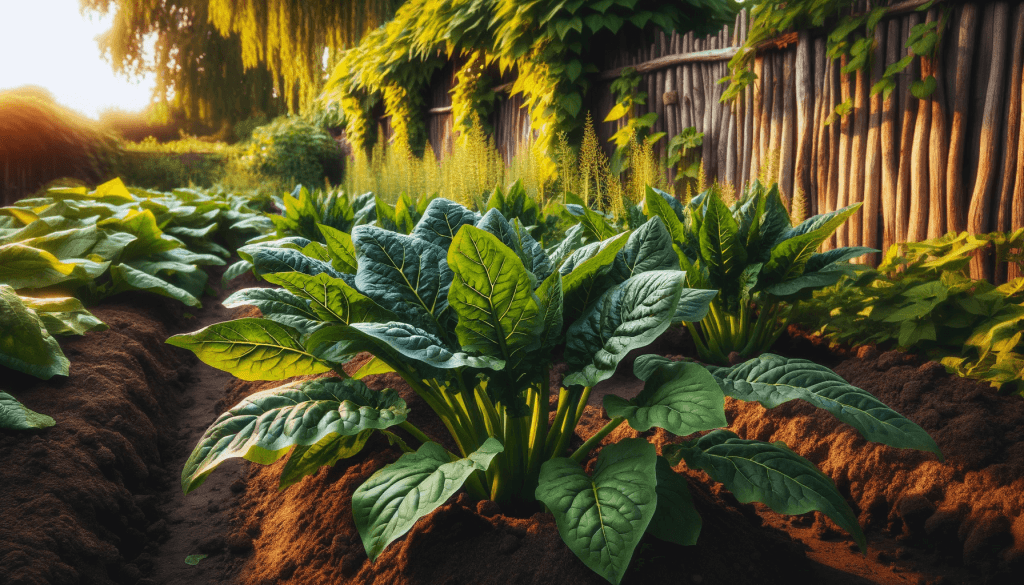
Urban farming is a practice that involves growing, processing, and distributing food in urban areas. It is a response to the growing demand for locally grown, fresh produce, and the need for cities to become more self-sufficient. Urban farming has become increasingly popular in recent years due to the benefits it provides to both the environment and the community.
One of the primary benefits of urban farming is the reduction of transportation costs associated with the distribution of food. By growing food locally, there is less need for long-distance transportation, which reduces greenhouse gas emissions and helps to mitigate climate change. Additionally, urban farming can help reduce runoff associated with heavy rainfall, leading to better water quality and a healthier environment.
Urban farming also provides economic and social benefits to the surrounding communities. It can help create jobs, improve access to fresh produce, and promote community engagement. Furthermore, urban farming can be a valuable educational tool, providing opportunities for people to learn about agriculture, nutrition, and sustainable living practices.